
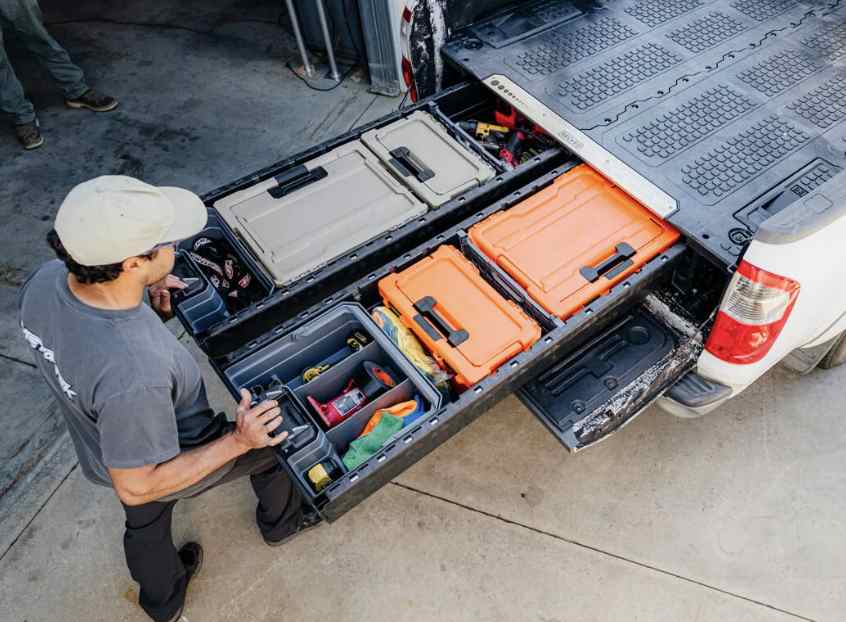
A cluttered truck bed leads to lost tools, damaged gear, and wasted time on job sites. Tradespeople, field technicians, and off-road enthusiasts rely on mobile tool storage every day, yet maintaining an organized system inside a vehicle bed remains a constant challenge. When tools shift around during transport, finding a specific socket or power tool turns into a tedious chore that disrupts workflow.
Designing an efficient truck storage system requires evaluating your tool inventory, choosing appropriate heavy-duty storage configurations, and establishing a logical layout. Technical specifications published by FRDM Fabs highlight how structural drawer units and heavy-gauge aluminum housing protect delicate hardware from extreme road vibration while maximizing floor space across the bed. Taking a systematic approach to tool arrangement keeps equipment secure, extends tool lifespan, and improves daily job site productivity.
1. Auditing and Categorizing Your Field Tools
Before installing any hardware or drawers, conduct a complete inventory audit of everything you haul in your truck. Laying out all your gear on a flat surface reveals duplicate items, damaged tools, and missing components.
Grouping Tools by Functional Category
Organize your tools into distinct operational groups rather than mixing different types together:
- Primary Hand Tools: Screwdrivers, pliers, wrenches, and hammers used continuously throughout the day.
- Power Equipment: Cordless drills, impact drivers, saw bodies, and spare batteries.
- Hardware and Fasteners: Screws, bolts, electrical connectors, and wire nuts stored in clear bins.
- Recovery and Safety Gear: Tow straps, jumper cables, first-aid kits, and flare kits.
Prioritizing Access Frequency
Rank each item group by how often you reach for it. High-frequency hand tools must occupy the most accessible upper compartments or front-facing drawers. Emergency items and low-frequency specialty tools should be stored deeper within the storage unit.
2. Choosing the Right Mobile Storage Architecture
Different trades require specific drawer depths and box configurations to accommodate varying tool dimensions.
Heavy-Duty Pull-Out Drawers
Smooth-sliding drawer systems allow full visibility of contents without forcing you to climb into the truck bed. Look for ball-bearing slides rated for high weight capacities to prevent binding when drawers are fully loaded.
Chest Storage vs. Drawer Dividers
- Open Chests: Excellent for bulky items like circular saws, air compressors, and heavy chains.
- Partitioned Drawers: Ideal for organizing small sockets, drill bits, and specialized diagnostic instruments so they do not slide around during sharp turns.
3. Implementing Shadowing and Protective Lining
Vibration from rough roads causes loose tools to strike against one another, dulling sharp edges and wearing down precision calibration.
- Install Non-Slip Foam Liners: Line every drawer floor with dense rubber or foam lining. This simple step prevents tools from sliding and dampens road noise significantly.
- Use Custom Foam Cutouts (Tool Shadowing): Trace your key tools onto dual-color closed-cell foam and cut out their silhouettes. This creates a dedicated slot for every item, making missing tools instantly obvious at the end of the workday.
- Incorporate Modular Dividers: Adjustable aluminum or plastic dividers let you resize drawer compartments as your tool collection grows or changes.
4. Protecting Tools from Weather and Theft
Mobile tool storage faces constant threats from rainwater, dust infiltration, and opportunistic theft. Protecting your investment requires robust physical security and weatherproofing features.
- Heavy-Duty Weather Seals: Ensure drawer openings feature continuous rubber perimeter gaskets to prevent rain, snow, and fine dust from reaching electronic tools.
- Integrated Locking Mechanisms: High-security T-handle locks or dual-latch systems secure drawers against tampering far better than external padlocks.
- Corrosion Resistance: Choose powder-coated steel or heavy-gauge aluminum bodies that resist rust, road salt, and harsh outdoor weather conditions.
5. Routine Maintenance for Mobile Storage Systems
A heavy-duty storage unit endures continuous shock loads and dirt exposure. Regular maintenance keeps drawer slides operating smoothly and locks functioning reliably.
Weekly Cleanup
Clear out accumulated dirt, metal shavings, and sawdust from drawer tracks. Dirt build-up inside slide channels increases friction and causes premature slide failure.
Monthly Hardware Inspection
- Lubricate Drawer Slides: Apply a light coat of dry silicone lubricant or lithium grease to ball-bearing drawer slides. Avoid sticky oils that attract dirt.
- Check Mounting Hardware: Inspect the bolts securing the storage unit to the truck bed or frame to ensure vehicle vibrations have not loosened them.
- Clean Lock Cylinders: Spray lock mechanisms with graphite lubricant to ensure smooth key operation in freezing conditions.
By taking the time to plan your layout, secure your gear, and maintain your storage hardware, you turn your truck bed into an organized, efficient mobile workshop ready for any task.